


Best Grass for Utah Lawns - Bluegrass or Fescue?

A Utah lawn has to do more than look green for a few weeks in spring. It has to handle dry air, intense summer sun, cold winters, compacted soils, kids, dogs, backyard games, and the occasional stretch of watering restrictions. The best grass for Utah is the one matched to your property, your elevation, your irrigation habits, and how you expect to use the lawn.
For most Utah homes and landscape projects, the strongest choices are Kentucky bluegrass blends and turf-type tall fescue blends. Both can create a beautiful, functional lawn. The better fit depends on whether you prioritize classic bluegrass softness and recovery, or deep-rooted drought tolerance and lower water demand.
Best Grass for Utah Depends on How You Use It
There is no single grass variety that wins every yard from Logan to St. George. Utah covers multiple growing conditions. Northern Utah has colder winters and a strong cool-season turf environment. The Wasatch Front brings summer heat, clay-heavy or disturbed construction soils, and high expectations for curb appeal. Southern Utah adds more intense heat and longer dry periods.
That is why selecting sod by a generic label is risky. A lawn should be chosen for its root system, heat response, traffic tolerance, color, mowing needs, and ability to establish in local soil conditions.
Kentucky bluegrass is often the right answer for homeowners who want the traditional Utah lawn: dense, dark green, soft underfoot, and able to recover from regular use. Turf-type tall fescue is often the better choice where deeper rooting, drought performance, and reduced irrigation needs are the priority.
Both are cool-season grasses, which means they grow most actively in spring and fall. Both need proper watering during establishment and thoughtful management through Utah's hottest weather. Neither is a plant-it-and-forget-it solution. But with fresh-cut sod, good soil contact, and a realistic irrigation plan, both can become outstanding lawns.
Kentucky Bluegrass: The Classic Utah Lawn
Kentucky bluegrass has earned its reputation in Utah for a reason. It creates a fine-textured, lush lawn with the rich blue-green color many homeowners picture when they think of a finished landscape. It feels soft, fills in densely, and holds up beautifully in active spaces when it receives appropriate care.
Its biggest advantage is recovery. Kentucky bluegrass spreads through underground stems called rhizomes. When a dog wears a path near the gate or children repeatedly run through the same section of lawn, a healthy bluegrass lawn can gradually knit itself back together. That self-repairing habit makes it a strong choice for family yards, parks, common areas, and homes where the lawn is meant to be lived on rather than simply viewed.
A premium blend matters. Different bluegrass cultivars contribute color, density, disease tolerance, and resilience. American Bluegrass™ is a dark blue-green Kentucky bluegrass blend grown for the deep color, soft texture, and dependable performance Utah property owners expect.
Bluegrass does ask for more attention during peak summer heat than tall fescue. It generally has a shallower root system, so it can show drought stress sooner if irrigation is inconsistent. That does not mean it is a poor water choice. It means watering must be efficient and purposeful: water deeply enough to encourage rooting, adjust for weather, and avoid daily shallow irrigation that keeps roots near the surface.
For a showpiece front yard, a high-use backyard, or a commercial property where dense color and fast recovery matter, Kentucky bluegrass remains one of the best grass choices in Utah.
When Bluegrass Makes the Most Sense
Choose Kentucky bluegrass when you want a fine, traditional lawn with excellent density and a soft feel. It is especially well suited to homes with children and pets, visible front lawns, athletic play areas, and landscapes where a uniform dark-green finish is part of the goal.
It also makes sense for property owners willing to manage summer watering responsibly. A well-maintained bluegrass lawn cools the landscape, filters dust, cushions play, and provides real outdoor living space. That is a better outcome than treating every green lawn as wasteful by default.
Turf-Type Tall Fescue: Deep Roots for Dry Conditions
Turf-type tall fescue has become a leading option for Utah homeowners and professionals who want a durable green lawn with strong drought tolerance. Unlike the coarse pasture-type fescue many people remember, modern turf-type tall fescue blends are selected for finer texture, improved density, richer color, and a more uniform appearance.
Its defining strength is the root zone. Tall fescue naturally develops deeper roots than Kentucky bluegrass under good conditions. Those roots can reach moisture farther down in the soil profile, helping the lawn stay steadier through heat and periods between irrigation. For Utah properties focused on lower water use without giving up a usable natural lawn, that is a meaningful advantage.
American Oasis™ is a drought-tolerant turf-type tall fescue blend built around that performance. It delivers a rich green color and a more resilient root system for homes, commercial landscapes, and projects where irrigation efficiency is a major factor.
The trade-off is recovery. Tall fescue grows in bunches rather than spreading aggressively through rhizomes. If a section is badly damaged by pet traffic, vehicle traffic, or repeated wear, it will not fill in as quickly on its own as bluegrass. Overseeding may be needed to restore thin areas. It is also usually a little coarser in texture, although quality turf-type blends are far more refined than old-style tall fescue lawns.
When Tall Fescue Is the Better Fit
Tall fescue is a smart choice for homeowners who want to reduce irrigation demand, especially in hot, exposed yards. It works well for larger lawns, south- and west-facing areas, slopes, and landscapes where deep rooting adds a margin of safety during dry weather.
It is also a practical option for property managers and landscape contractors seeking consistent performance with fewer demands during summer. A properly established tall fescue lawn still needs water, particularly while new sod roots in. The difference is that its deeper-rooting potential can make every well-timed irrigation cycle work harder.
Utah Soil Makes Sod Quality Matter
Grass variety is only part of the equation. Sod arrives with soil attached to its roots, and that soil influences establishment, color, nutrient availability, and early stress tolerance. Thin, weak sod grown in poor ground may look acceptable on delivery day but struggle once the weather turns hot.
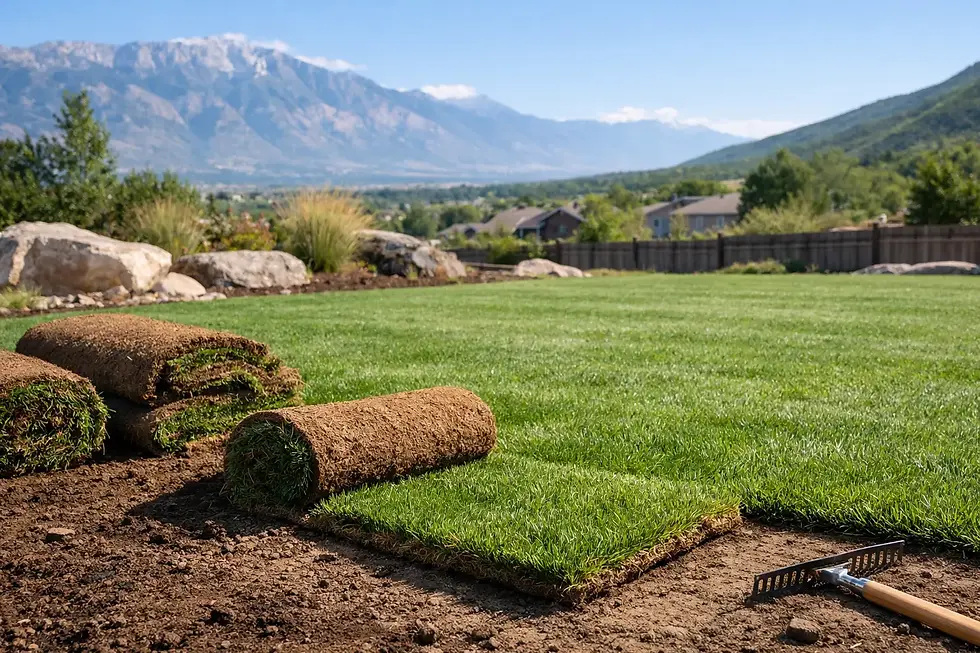
All American Sod Farm grows its sod in naturally occurring Ferrozite, an iron-rich, nutrient-dense silt loam soil. That growing environment supports strong rooting and the deep color customers want to see after installation, not just before it. Fresh-cut sod also matters because living turf needs prompt installation, firm soil contact, and immediate watering to establish successfully.
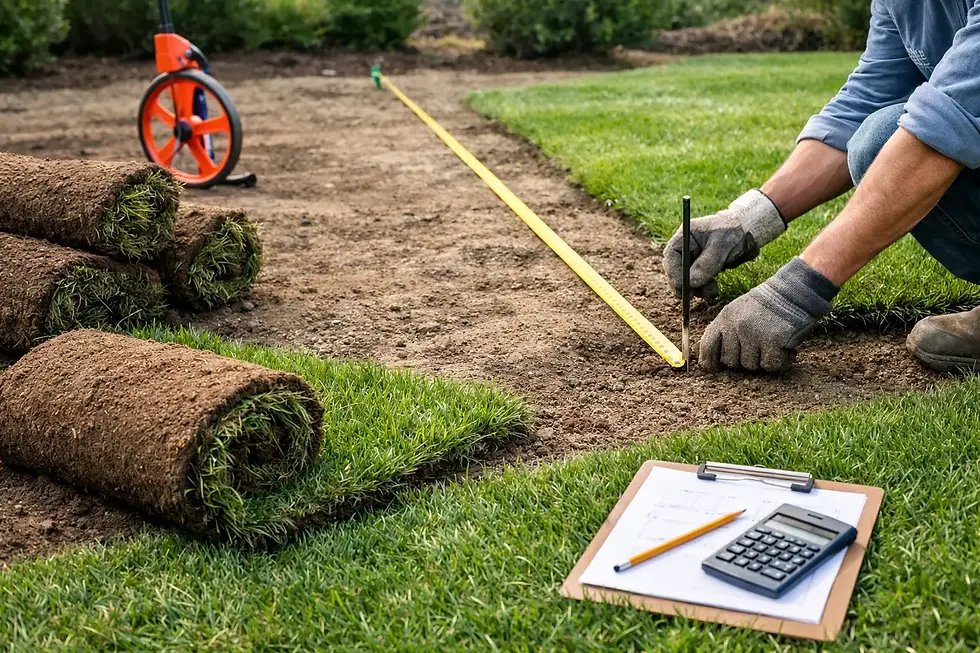
Before sod arrives, remove debris, grade the site, correct major drainage issues, and loosen compacted ground where needed. The finished surface should be smooth and firm, not fluffy. After installation, water thoroughly enough to wet the sod and the soil beneath it. Then gradually transition from frequent establishment watering to deeper, less frequent irrigation as roots anchor into the native soil.
Don't Let Water Messaging Push You Into a Bad Landscape
Utah needs smarter water use. It does not need landscapes stripped of every living surface. Healthy turf can cool hot ground, reduce glare, trap dust, support infiltration, and give families a comfortable place to gather and play. Rock and artificial turf may reduce irrigation in some settings, but they can also store heat, limit the benefits of living root zones, and create yards people do not want to use in July.
The better question is not whether a lawn uses water. Every productive landscape uses water. The question is whether the lawn is sized appropriately, planted with the right grass, irrigated efficiently, and maintained as a functional part of the property.
Place grass where it earns its space: play areas, gathering zones, front-yard curb appeal, pet areas, and places where cooling matters. Reduce unnecessary turf in narrow strips, inaccessible corners, or areas where it cannot be watered effectively. That approach protects both Utah's water future and the value of a real, usable lawn.
Choose the Grass That Fits Your Yard
If you want dense, soft turf with classic dark-green color and strong recovery from traffic, choose a quality Kentucky bluegrass blend. If your priority is deep roots, heat resilience, and greater drought tolerance, choose a turf-type tall fescue blend. In some properties, the answer may even be different grass in different zones.
The best lawn starts with a grass that belongs in Utah, fresh sod grown for Utah conditions, and a plan to help it establish. Choose with purpose, water with care, and give your outdoor space a living surface built to be enjoyed.

Comments