


Calculating Topsoil Amount for Sod: Your Ultimate Guide to a Lush Lawn

So, you’re ready to roll out that fresh, green carpet of sod and transform your yard into a vibrant oasis. But wait - before you dive in, there’s a crucial question to answer: how much topsoil do you need for sod? Getting this right is like laying the perfect foundation for a skyscraper. Too little topsoil, and your sod struggles to thrive. Too much, and you’re wasting resources and money. Let’s dig into the nitty-gritty of calculating the perfect topsoil amount for sod, so your lawn can flourish like never before!
Why Topsoil Amount for Sod Matters More Than You Think
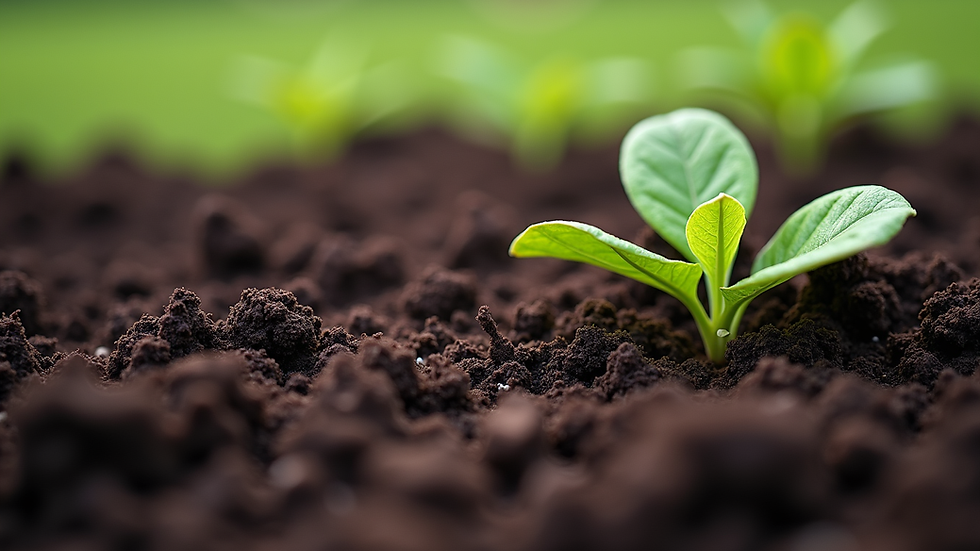
Topsoil is the unsung hero of any lawn project. It’s the rich, nutrient-packed layer that gives your sod the best chance to root deeply and grow strong. Think of it as the cozy bed your grass needs to stretch out and soak up all the goodness from the earth.
But here’s the kicker: not all topsoil is created equal, and the amount you need depends on several factors. Are you laying sod over bare dirt, or are you refreshing an existing lawn? What’s the current soil quality? How thick should the topsoil layer be to support healthy root growth?
Getting the topsoil amount for sod just right means your new lawn will establish quickly, resist weeds, and stay lush through Utah’s dry spells. It’s a win-win for your wallet and your landscape!
How to Calculate the Topsoil Amount for Sod: Step-by-Step
Alright, let’s roll up our sleeves and get practical. Calculating the right amount of topsoil is easier than you think once you know the formula. Here’s how to do it:
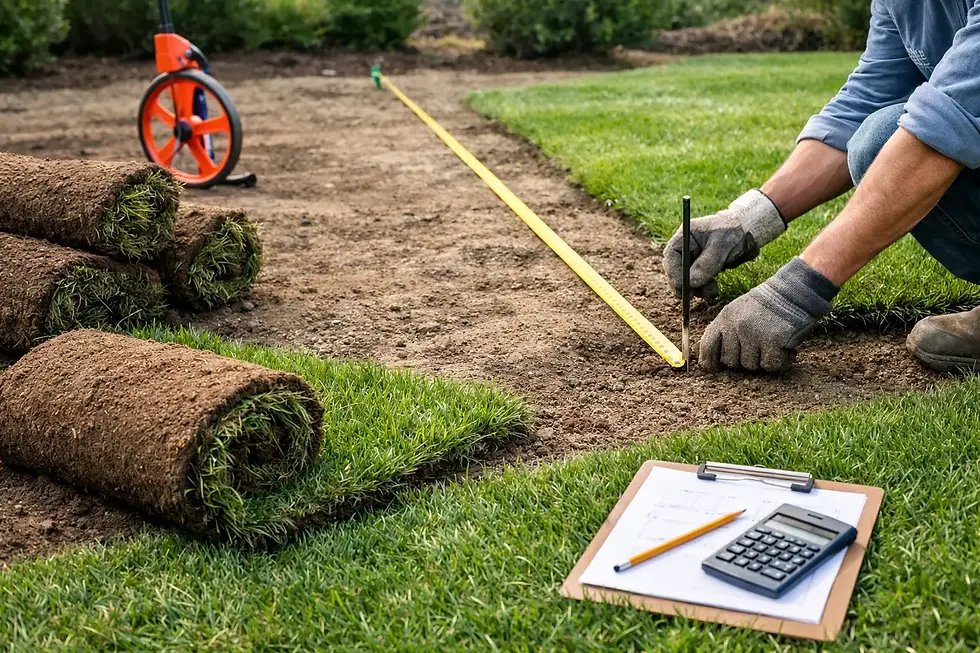
Measure Your Lawn Area
Grab a tape measure or use a digital tool to find the length and width of the area where you’ll lay sod. Multiply these two numbers to get the square footage. For example, a 20 ft by 30 ft yard is 600 square feet.
Decide on the Topsoil Depth
For sod, a topsoil layer of about 2 to 4 inches is ideal. This depth provides enough nutrients and space for roots to grow without suffocating them. If your existing soil is poor, lean towards 4 inches.
Convert Inches to Feet
Since volume calculations use feet, convert the depth from inches to feet by dividing by 12. For example, 3 inches ÷ 12 = 0.25 feet.
Calculate Cubic Feet of Topsoil Needed
Multiply the area (in square feet) by the depth (in feet).
Example: 600 sq ft × 0.25 ft = 150 cubic feet.
Convert Cubic Feet to Cubic Yards
Topsoil is often sold by the cubic yard. There are 27 cubic feet in 1 cubic yard.
So, 150 cubic feet ÷ 27 = approximately 5.56 cubic yards.
Voilà! You need about 5.5 cubic yards of topsoil for your 600 sq ft lawn with a 3-inch topsoil layer.
If you want to skip the math, check out this handy guide on how much topsoil do i need for sod for quick calculations.
Pro Tip: Always order a little extra topsoil (about 10%) to cover any uneven spots or settling.

Is October Too Late to Lay Sod?
You might be wondering, “Is October too late to lay sod?” Great question! Timing is everything when it comes to sod installation, especially in Utah’s climate.
October can be a fantastic time to lay sod because the soil is still warm from summer, which encourages root growth. Plus, cooler air temperatures reduce stress on the grass. However, you want to avoid laying sod too close to the first hard frost, which can stunt root development.
Here’s the scoop:
Early October: Perfect! The soil is warm, and the weather is mild.
Late October: Riskier, but still possible if you act fast and keep the sod well-watered.
November and beyond: Generally too late, as cold soil temperatures slow root growth and increase the risk of sod failure.
If you’re planning a fall sod project, make sure your topsoil is ready and your sod arrives fresh. Proper preparation now means a lawn that will bounce back beautifully come spring.
Choosing the Right Topsoil for Your Sod Project
Not all topsoil is created equal, and choosing the right type can make or break your sod’s success. Here’s what to look for:
Texture: Ideal topsoil is loamy - a balanced mix of sand, silt, and clay. It drains well but holds enough moisture.
Nutrient Content: Rich in organic matter and nutrients like nitrogen, phosphorus, and potassium.
pH Level: Slightly acidic to neutral (pH 6.0 to 7.0) is best for most grass types.
Free of Debris: No rocks, sticks, or construction waste.
If your existing soil is heavy clay or sandy, adding a quality topsoil layer can improve drainage and nutrient availability, giving your sod a better start.
Quick Soil Test Tip:
You can buy a simple soil test kit at your local garden center or send a sample to a lab. Knowing your soil’s pH and nutrient levels helps you pick the perfect topsoil blend.
Preparing Your Lawn Bed Before Laying Sod
Before you roll out that lush green carpet, your lawn bed needs some TLC. Proper preparation ensures your sod roots deeply and stays healthy.
Here’s your pre-sod checklist:
Clear the Area: Remove old grass, weeds, rocks, and debris.
Grade the Soil: Ensure the area slopes away from buildings for proper drainage.
Loosen the Soil: Till or rake the soil to a depth of 4-6 inches to help roots penetrate.
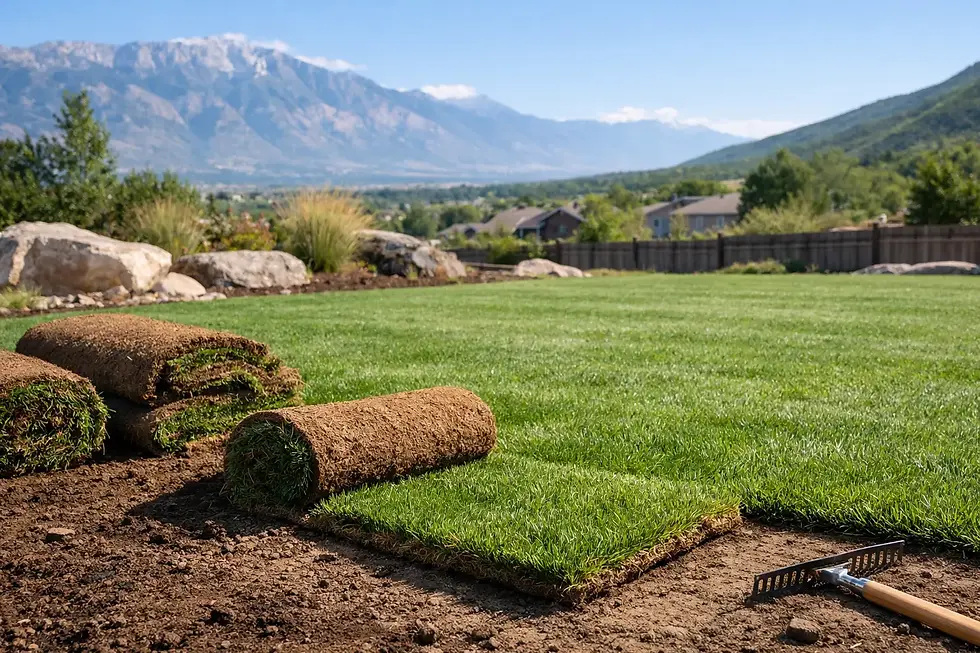
Add Topsoil: Spread your calculated amount of topsoil evenly across the area.
Level and Firm: Rake smooth and lightly compact the soil to create a firm, even surface.
Water Lightly: Moisten the soil before laying sod, but avoid sogginess.
Taking these steps sets the stage for your sod to thrive and reduces the risk of uneven patches or bare spots.
Watering and Caring for Your New Sod
Once your sod is down, the real work begins - but don’t worry, it’s rewarding! Watering is the secret sauce to successful sod establishment.
First 2 Weeks: Keep the sod and soil consistently moist. Water daily, preferably early morning or late evening.
After 2 Weeks: Gradually reduce watering frequency but increase depth to encourage deep root growth.
Avoid Overwatering: Too much water can drown roots and invite disease.
Mowing: Wait until the grass reaches about 3 inches before the first mow. Use a sharp blade and never cut more than one-third of the grass height.
With proper watering and care, your sod will develop a strong root system and become a resilient, beautiful lawn.
Final Thoughts on Topsoil and Sod Success
Getting your topsoil amount for sod just right is the first step toward a lawn that’s the envy of the neighborhood. Remember, quality topsoil, proper preparation, and timely installation are your best friends in this journey.
Whether you’re tackling a small backyard or a commercial property, investing time and effort into calculating and applying the right topsoil will pay off with a lush, green carpet that lasts for years.
Ready to get started? Your dream lawn is just a few steps away!

Comments