


Residential Sod Selection Guide for Utah Lawns

A new lawn can look perfect the day it is installed and still disappoint by July if the variety does not match the yard. This residential sod selection guide is built for that Utah reality: bright reflected heat, dry spells, cold winters, compacted construction soil, busy families, and homeowners who want a lawn that stays deeply green and genuinely usable.
The right choice is not simply the sod with the lowest water use or the fastest first-week color. It is the sod that fits the way your property receives sun, how you use the space, and how consistently you can water while roots establish. Choose well at the start, and you plant progress that pays off for years.
Start With How You Want the Lawn to Perform
Before choosing a sod variety, look at the job your lawn needs to do. A front yard may be mostly about curb appeal and a rich, refined color. A backyard may need to handle children, dogs, patio traffic, and regular play. Those needs can overlap, but they should influence your decision.
Walk the property at different times of day. Notice where summer sun sits longest, where fences or mature trees create shade, and where heat reflects off south-facing walls, driveways, and rock borders. A lawn that gets six or more hours of direct sun has different options than one tucked beneath trees or between closely built homes.
Also be honest about maintenance. Healthy sod is a managed living landscape. It needs proper irrigation, mowing, and occasional nutrition. A lower-input lawn does not mean a no-care lawn, especially during the first season when root zones are developing.
Choose Between Bluegrass and Tall Fescue
For most Utah residential properties, the decision comes down to Kentucky bluegrass blends or turf-type tall fescue blends. Both can create beautiful, functional lawns. Their strengths are simply different.
American Bluegrass™ for Softness and Classic Lawn Color
American Bluegrass™ is a dark blue-green Kentucky bluegrass blend grown for the lawn many homeowners picture when they imagine a finished yard: dense, soft underfoot, uniform, and inviting. It is an excellent fit for families who want room to run, relax, play catch, or walk barefoot.
Kentucky bluegrass spreads through underground rhizomes. That self-repairing habit is a meaningful advantage in lawns that see everyday activity. Small thin spots and minor wear can fill in over time when the lawn is properly watered, mowed, and fed.
Bluegrass performs especially well in full sun and is well suited to Utah's cold winters. It does require dependable irrigation to maintain its best color through hot, dry periods. If your goal is a richly colored, traditional lawn with a soft feel and dense coverage, this is often the right call.
American Oasis™ for Deep Roots and Drought Performance
American Oasis™ is a drought-tolerant turf-type tall fescue blend selected for deep rooting, uniformity, and rich color. It is a smart option for homeowners who want a more water-conscious lawn without giving up the cooling, comfort, and curb appeal of real living grass.
Tall fescue naturally develops a deeper root system than bluegrass under good soil conditions. That can help it reach moisture farther down in the root zone and stay more resilient during heat and irrigation stress. It is also a strong candidate for yards with intense afternoon sun, areas that receive a little less water, or homeowners focused on long-term irrigation efficiency.
The trade-off is that tall fescue grows in bunches rather than spreading aggressively through rhizomes. A damaged area may need overseeding or a small repair rather than filling in on its own. For many homes, that is a fair exchange for its deep-rooted performance and water-saving potential.
Match Sod to Sun, Shade, and Heat
Sun exposure is often more important than a homeowner realizes. Bluegrass and tall fescue both prefer meaningful sunlight, but tall fescue can be more forgiving where a lawn receives filtered light or moderate shade. Neither variety will thrive in deep, constant shade beneath dense evergreens or where buildings block most of the day.
In a mixed-light yard, do not assume one variety must cover every square foot. A sun-soaked backyard, shaded side yard, and protected front entry may require different maintenance practices, irrigation zones, or even different planting decisions. The goal is not to force grass into a space where it cannot get enough light. The goal is to put sod where it can establish a strong root system and stay attractive.
Utah heat adds another layer. South and west exposures can feel dramatically hotter than the rest of a property. These areas benefit from thoughtful irrigation coverage, correct mowing height, and sod that arrives fresh and ready to root. Avoid mowing a heat-stressed lawn too short. Slightly taller mowing helps shade the soil and supports deeper roots.
Do Not Ignore Soil Beneath the New Lawn
Sod is only as strong as the soil it roots into. This is where many new lawns are won or lost. Construction sites commonly have compacted subsoil, leftover debris, uneven grading, or soil that drains too quickly or too slowly. Rolling sod across those conditions may produce a quick green surface, but it limits long-term performance.
Prepare the soil by removing rocks and debris, correcting major grade issues, and loosening compacted areas before installation. The finished surface should be smooth enough to mow easily while still directing water away from the home. Good preparation also helps irrigation soak into the ground instead of running across the surface.
All American Sod Farm grows its sod in naturally occurring Ferrozite, an iron-rich, nutrient-dense silt loam soil. That growing environment supports strong establishment, deeper color, and resilient performance after installation. Still, fresh-cut sod needs contact with your site soil. Pressing the new lawn into a level, prepared surface helps the roots transition down rather than dry out in air pockets.
Plan Watering for Establishment, Then Efficiency
Fresh sod needs more frequent watering at first because its roots are still shallow. The objective is to keep the sod and the upper soil moist while it knits into the ground below. That establishment period is not the time to test drought tolerance.
After the lawn has rooted, transition gradually toward deeper, less frequent irrigation. This encourages roots to follow moisture lower into the profile. The exact schedule depends on temperature, wind, soil type, slope, sprinkler output, and whether you selected bluegrass or tall fescue. A timer is useful, but it should not replace observation. Lift a corner of sod during early establishment to check rooting, and inspect the soil rather than watering by habit.
A well-managed lawn contributes more than appearance. Living grass cools the spaces around homes, captures rainfall, supports infiltration, and gives families an outdoor surface that is comfortable to use. Water should be applied with purpose, not treated as a reason to abandon a lawn that brings real value to the property.
Order for the Day You Can Install
Sod is perishable. The best delivery day is the day you have soil prepared, irrigation ready, and people available to install. Do not let rolled sod sit for days in a driveway, particularly during hot weather. Install it promptly, stagger seams like brickwork, fit pieces tightly without stretching, and water immediately after each section is laid.
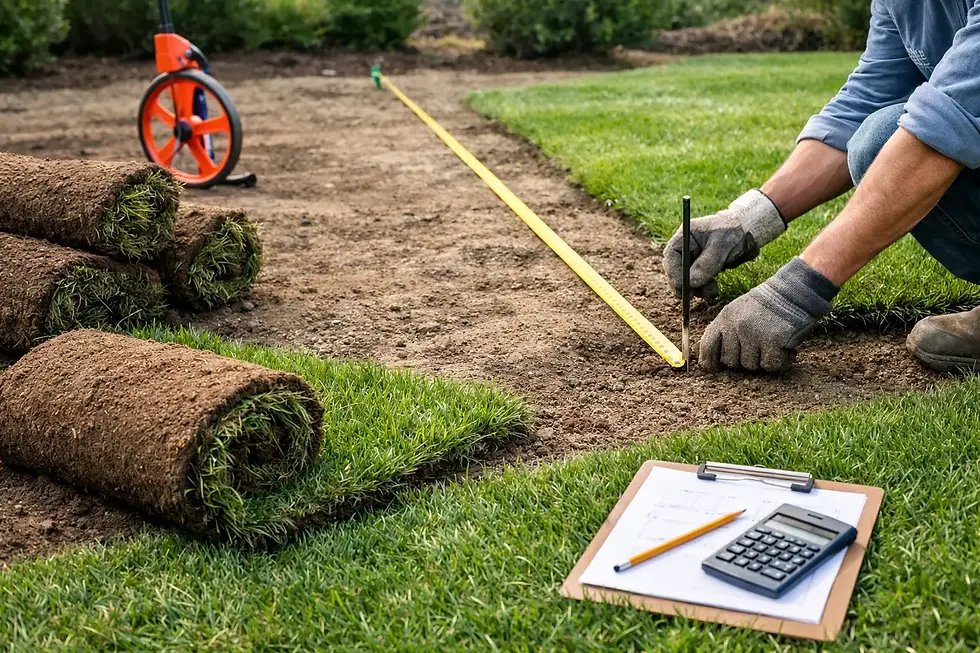
Measure carefully before ordering, then add a modest allowance for curves, trimming, and irregular borders. Homeowners with simple rectangles can usually calculate square footage easily. Complex yards, retaining walls, narrow side spaces, and large projects are worth discussing with a local sod team before delivery.
The Best Choice Is the One You Will Support
There is no single perfect answer for every Utah home. Choose American Bluegrass™ when you want soft density, classic dark color, and self-repairing performance in a well-watered, sunny lawn. Choose American Oasis™ when deep roots, drought tolerance, and efficient water use are your highest priorities.
Either choice can become the lawn your family actually uses, not just a green strip you look at through a window. Prepare the ground, install fresh sod quickly, and give it a strong start. For help matching sod to your yard and coordinating delivery or installation, call 801-227-7800.


Comments