


How to Prevent Sod Drying During Installation

A sod pallet is not a pile of building materials that can wait until the crew gets around to it. It is a living root system, freshly cut from the field and suddenly depending on you for moisture. To prevent sod drying during installation, prepare the site before delivery, start laying immediately, and keep every roll evenly moist from the first hour.
That matters everywhere, but Utah’s dry air, bright sun, wind, and summer heat can pull moisture from exposed sod quickly. A few dry edges may not look dramatic at first. By the next day, however, curled seams, gray-blue blades, shrinking pieces, and weak root contact can turn a fast lawn project into a slow establishment problem.
Why Fresh Sod Dries So Quickly
Sod is cut with a thin layer of soil attached to its roots. That soil is enough to carry the plant through harvest, transport, and installation, but it does not hold unlimited water. Once a roll is unstacked and laid over warm, dry ground, moisture can leave from both the leaf blades and the root zone.
The greatest risk is not simply a hot afternoon. It is the combination of heat, sun, wind, delayed installation, and dry site preparation. A pallet sitting in direct sun while irrigation is still being repaired or final grading is underway can lose valuable moisture before the first piece reaches the lawn.
Fresh-cut sod should arrive as the final step in a prepared project, not the first. All American Sod Farm has supplied Utah lawns since 1977, and the lesson is straightforward: good sod establishes best when the ground, water, labor, and delivery timing are ready at the same time.
Prepare the Ground Before the Truck Arrives
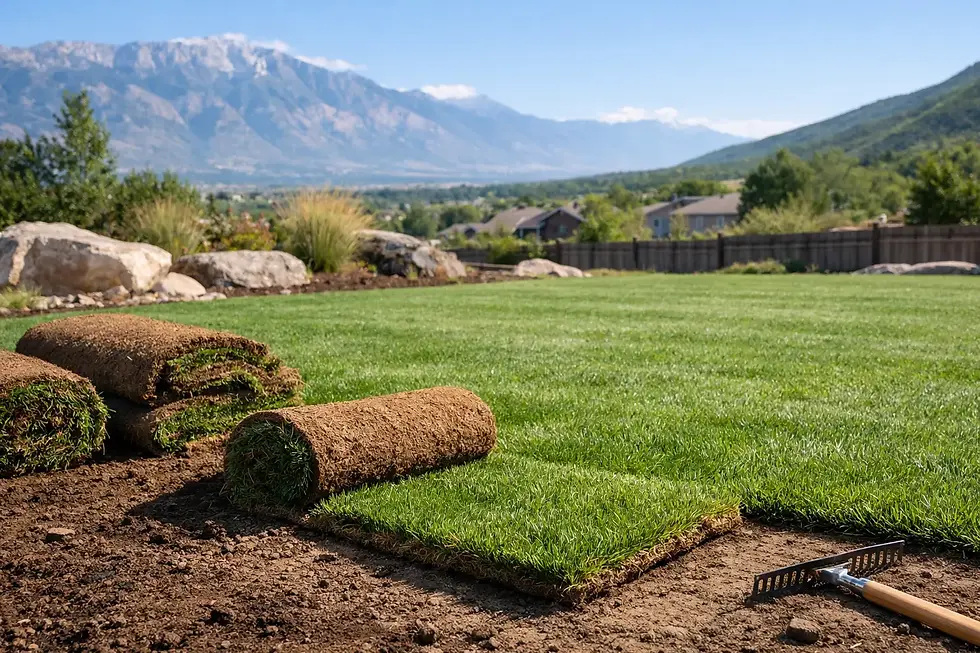
The best way to prevent sod from drying is to eliminate waiting. Finish rough and final grading, remove rocks and construction debris, and make sure the surface is smooth enough for full soil-to-soil contact. Low spots can stay too wet, while high spots can dry out first and leave roots suspended above the soil.
Address irrigation before installation day. Run each zone, confirm coverage, repair broken heads, and make sure water reaches corners, slopes, and narrow side yards. If you are installing a large area, know which zones will run first and how long they need to soak. A beautiful pallet of sod cannot compensate for an irrigation system that leaves half the yard dry.
Water the prepared soil shortly before the sod is laid. The goal is moist, cool soil, not mud. If footprints sink deeply or water pools on the surface, wait for excess water to drain. Sod placed on saturated ground can shift, compact, and develop poor root contact. If the soil is dusty and hot, water it until moisture reaches below the immediate surface.
For new construction, do not skip soil preparation just because the site looks level. Compacted subsoil often sheds water and limits rooting. Loosen compacted areas where practical and build a healthy root zone with quality topsoil as needed. The stronger the connection between the sod’s Ferrozite-grown soil and the prepared site, the faster the lawn can settle in.
Schedule Delivery for a Same-Day Installation
When possible, schedule sod delivery for the day it will be installed. Have enough people on site to move material, cut edges, and water behind the installation crew. One person trying to install several pallets alone during July can leave too much sod exposed for too long.
Morning delivery is usually helpful during warm weather because it gives the crew more cool hours to work. It is not a substitute for preparation, though. A morning pallet can still overheat if it sits sealed, stacked, and unattended through the afternoon.
If delivery must happen before installation, keep pallets in the coolest available location with airflow. Protect them from direct sun, but do not wrap them tightly in plastic or create a heat-trapping enclosure. Sod stacked on a pallet naturally holds warmth. The longer it remains stacked, especially in high temperatures, the more urgent installation becomes.
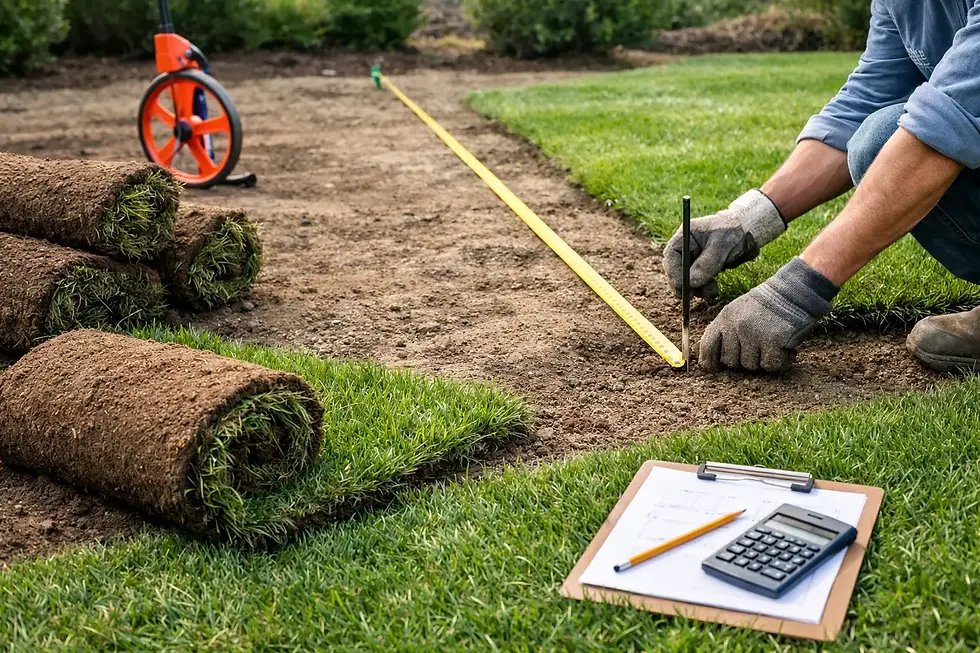
Plan the work in sections. Start at a straight edge such as a driveway, patio, or property line, then work outward with staggered joints. Do not unroll more sod than the crew can water promptly. On a large commercial or residential project, assign one person specifically to keep installed sections moist while others continue laying.
Water Immediately, Then Water Deeply
The first watering should begin as sod is installed, not after the final piece is cut. Watering behind the crew cools the sod, reduces leaf stress, and starts joining the new root layer to the moist soil below.
A quick spray that darkens the blades is not enough. Water needs to move through the sod and into the prepared soil beneath it. Lift a corner of a newly laid piece after watering. The sod backing and the soil below should both be moist. If only the top surface is wet, continue watering.
For the first week or two, newly installed sod usually needs frequent irrigation because its roots have not yet grown into the native soil. The exact schedule depends on temperature, wind, soil texture, slope, shade, and your sprinkler output. In hot, dry conditions, lighter additional cycles may be necessary to keep the sod from drying between deeper irrigations. In cooler weather or shaded areas, too much water can create soft ground and disease pressure.
Watch the lawn rather than following a rigid clock. Sod that needs water may lose its fresh green appearance, take on a dull gray-blue cast, or show footprints that remain visible after you walk across it. Drying at seams and edges is an early warning sign. Adjust quickly before the root zone dries out.
Protect the Most Vulnerable Areas
Edges, slopes, strips along concrete, and south- or west-facing exposures dry first. Concrete and masonry hold heat, while wind can move quickly across an open slope. Give these areas extra attention during installation and the first several weeks.
On steep ground, make sure every piece is firmly pressed into the soil and installed across the slope when the layout allows. Proper contact helps prevent air gaps where roots dry out. Use approved sod staples where needed to keep pieces from slipping before rooting occurs.
Avoid leaving small scraps around borders if a larger, well-fitted piece can do the job. Tiny pieces dry rapidly and are more likely to pull apart at the seams. Cut cleanly around beds, sprinklers, and hardscape, then press every edge down by hand or roll the completed area lightly to improve contact.
A lawn roller can help after installation, but it is not an excuse to compact wet soil. Use it lightly enough to seat the sod against the ground without crushing the root zone. On heavy clay or overly wet sites, careful foot pressure and good watering management may be the better choice.
Avoid the Mistakes That Cost Establishment Time
Do not install sod onto dry, dusty ground and expect surface watering to fix it later. Do not leave rolls spread across the yard for hours before they are watered. And do not assume rain alone will provide enough moisture, particularly when storms are brief or uneven.
Mowing too early can also add stress. Wait until the sod has begun rooting and the soil is firm enough that mowing will not pull seams apart or leave ruts. When it is ready, use a sharp mower blade and avoid removing more than one-third of the blade height. A clean, moderate first mow encourages a denser lawn without scalping vulnerable new plants.
Hold off on heavy foot traffic, pets running repeated paths, and outdoor events until roots have anchored. You can check progress by gently lifting a corner. Resistance means roots are beginning to knit into the soil. If it lifts easily, continue attentive watering and limit traffic.
When to Ask for Help
If a newly installed lawn has widespread dry patches, curled pieces, standing water, or sprinkler coverage gaps, act early. The issue may be irrigation design, soil compaction, poor contact, or a delivery-and-installation timing problem rather than the sod itself. A quick inspection can save a large area from unnecessary replacement.
For project planning, delivery coordination, or installation support in Utah, call All American Sod Farm at 801-227-7800. A fresh lawn is built in the first few days, and careful timing, soil moisture, and steady irrigation give every roll its best chance to put down roots and stay richly green.

Comments