


The Ultimate Sod Over Grass Guide: Laying Sod Over Existing Grass - Best Practices

If you’re dreaming of a lush, green lawn but don’t want to start from scratch, laying sod over existing grass might just be your golden ticket! It’s a fantastic way to refresh your yard without the hassle of full-scale demolition. But hold on - before you roll out those fresh green mats, there’s a bit of know-how you’ll want to soak up. Ready to dive into the nitty-gritty of transforming your lawn with ease and flair? Let’s get rolling!
Your Go-To Sod Over Grass Guide: What You Need to Know
Laying sod over existing grass isn’t just about slapping new turf on top and calling it a day. It’s a bit like giving your lawn a makeover - you want to prep the canvas right so the new grass thrives. Here’s the scoop:
Assess the existing grass: Is it mostly weeds or healthy turf? If it’s a jungle of weeds, you’ll want to tackle that first.
Mow it low: Cut your current grass as short as possible without scalping the soil. This helps the new sod make good contact with the ground.
Rake and dethatch: Remove dead grass, debris, and thatch to create a smooth surface.
Aerate if possible: Punching holes in the soil helps roots breathe and soak up water.
Water the soil: Moist soil is a welcoming bed for sod roots.
Taking these steps ensures your new sod isn’t just sitting on top but is ready to knit into the earth below.

Can you just throw sod down?
Ah, the tempting shortcut! Can you just throw sod down and expect a perfect lawn? Well, technically yes, but it’s a gamble. Here’s why:
Poor root contact: Without prepping, the sod roots struggle to reach the soil, leading to patchy growth.
Weed competition: Existing weeds can sneak up through the sod, stealing nutrients.
Uneven surface: Lumps and bumps under the sod can cause drainage issues and an uneven lawn.
Think of it like baking a cake - you wouldn’t just toss ingredients in a pan without mixing, right? The same goes for sod. A little prep work goes a long way in ensuring your lawn looks like a million bucks.
Step-by-Step: How to Lay Sod Over Existing Grass Like a Pro
Now, let’s get down to business. Here’s a simple, foolproof plan to lay sod over your current lawn and watch it flourish:
Mow the existing grass low: Aim for about 1 inch or less.
Rake thoroughly: Remove clippings, dead grass, and debris.
Dethatch if needed: Use a dethatching rake or machine to clear thick thatch layers.
Aerate the soil: Use a spike or plug aerator to create holes for better root growth.
Water the soil lightly: Moisture helps sod roots settle in.
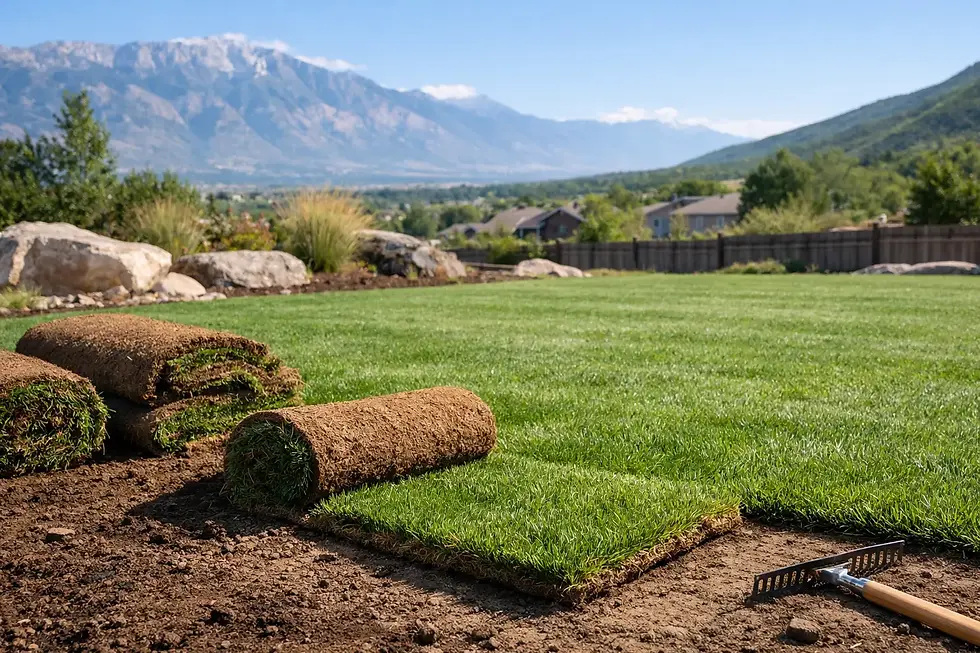
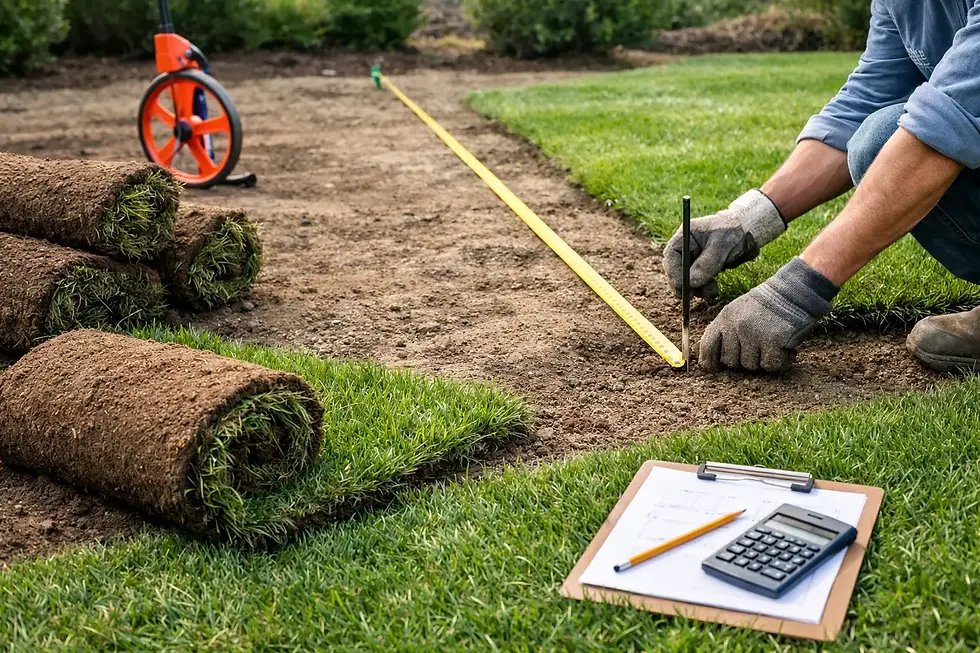
Lay the sod tightly: Start along a straight edge and stagger seams like bricks.
Press down the sod: Use a roller or simply walk over it to ensure good contact.
Water immediately and regularly: Keep the sod moist for the first two weeks.
Following these steps will give your new lawn the best shot at thriving and looking gorgeous.

Why Choose Sod Over Seeding?
You might wonder, why not just seed and wait? Sod offers some serious perks:
Instant gratification: A green lawn the moment it’s laid!
Erosion control: Sod holds soil in place immediately, perfect for slopes.
Weed suppression: Thick sod blocks sunlight from weed seeds.
Less watering: Sod needs less frequent watering than seed during establishment.
Durability: Sod establishes faster, making it ideal for high-traffic areas.
For Utah’s climate, where water conservation is key, sod can be a smart choice when paired with sustainable watering practices. Plus, it’s a great way to quickly boost curb appeal.
Tips for Maintaining Your New Sod Lawn
Once your sod is down, the real fun begins! Here’s how to keep it happy and healthy:
Water deeply and often at first: Aim for 1 inch of water daily for the first two weeks.
Avoid heavy foot traffic: Let roots establish before running or playing on it.
Mow carefully: Wait until the grass reaches 3 inches before the first mow, then cut no more than 1/3 of the blade.
Fertilize smartly: Use a balanced fertilizer after about 4-6 weeks.
Watch for pests and diseases: Early detection keeps problems manageable.
With a little TLC, your sod lawn will be the envy of the neighborhood in no time!
Ready to Transform Your Lawn?
If you’re eager to learn more about how to lay sod over existing grass, you’re in the right place! This method is a fantastic way to breathe new life into your yard without the mess of tearing everything up. Plus, with the right prep and care, your lawn will be a lush, green oasis that’s both beautiful and environmentally friendly.
Remember, a great lawn starts with great sod - and choosing quality sod that suits Utah’s unique climate is key. So grab your mower, rake, and watering can, and get ready to roll out the green carpet!
Happy sodding!

Comments