


Utah Sod Delivery That Sets Your Lawn Up Right

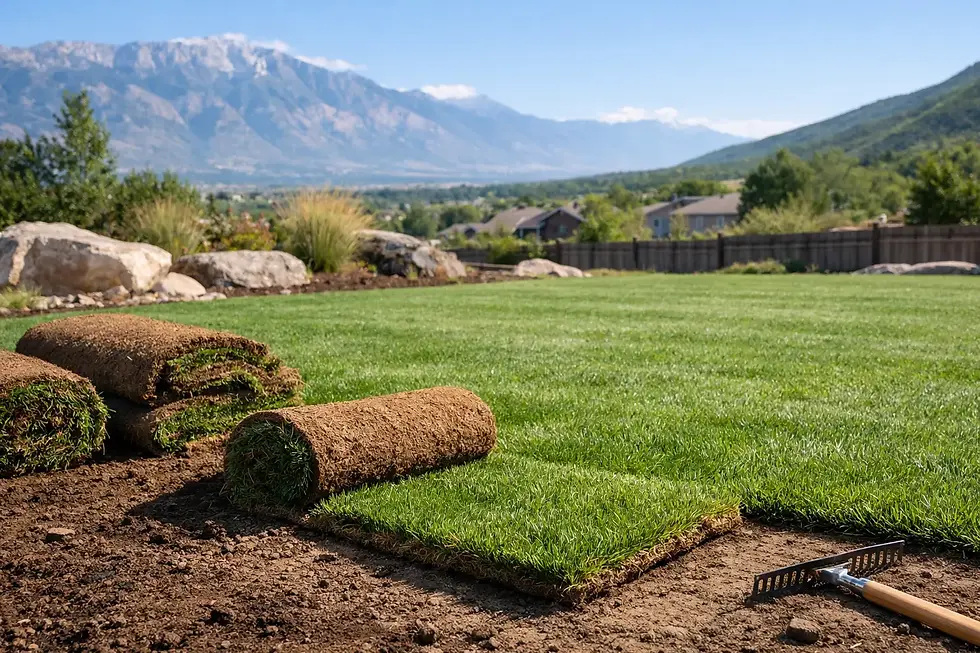
A pallet of fresh-cut sod can turn a dusty new yard into a usable family lawn in a day, but only when the ground, timing, and delivery plan are ready for it. Utah sod delivery is not simply a curbside drop. It is the handoff between carefully grown living plants and the root zone where those plants must establish, spread, and perform through Utah heat, cold, traffic, and changing water conditions.
At All American Sod Farm, we have supplied more than 100 million square feet of premium sod since 1977. That experience has taught us a simple truth: beautiful lawns start before the first roll comes off the pallet. Whether you are finishing a backyard in Lehi, coordinating a commercial project in Salt Lake County, or replacing a worn-out lawn in St. George, a little planning protects your investment and gets your lawn off to a strong start.
What Utah Sod Delivery Should Include
Fresh sod is a perishable product. Once it is cut, its roots are no longer connected to the farm soil that supported it. That is why delivery timing matters as much as sod quality. Your site should be graded, cleared, and ready to install before the truck arrives whenever possible.
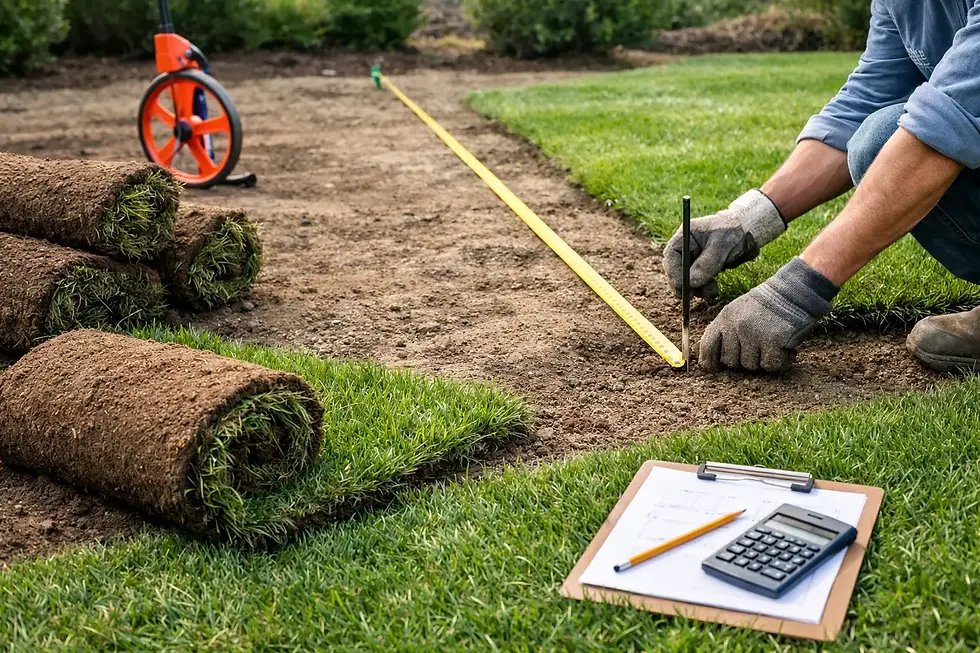
A dependable delivery plan begins with the right square-footage estimate and a clear access plan. Sod is commonly delivered by the pallet, and a pallet has real weight. Let the delivery team know about tight gates, steep driveways, construction debris, fresh concrete, parked vehicles, or areas where a forklift cannot travel. The more accurate the site information, the better the delivery can be coordinated.
For larger projects, delivery coordination becomes even more important. Landscapers, builders, property managers, and commercial crews need enough material to keep an installation crew moving without leaving pallets sitting too long in direct sun. A well-timed delivery supports better labor efficiency and reduces stress on the sod.
Choose Sod That Matches Your Utah Yard
Not every lawn has the same demands. A front yard with afternoon shade has different needs than a sunny backyard used by children and pets, and both differ from a broad commercial green space. Selecting the right variety is where a locally grown sod source makes a real difference.
American Bluegrass™ is a dark blue-green Kentucky bluegrass blend known for its soft texture, dense appearance, and classic lawn feel. It is a strong choice for homeowners who want a rich, inviting lawn with the color and durability Utah families expect. With proper watering and care during establishment, bluegrass creates a beautiful surface for play, gathering, and everyday curb appeal.
American Oasis™ is a drought-tolerant turf-type tall fescue blend developed for deep roots, uniformity, and rich color. Its deeper root potential can be especially valuable in sunny, heat-intensive settings and for property owners focused on building a durable lawn with thoughtful water management.
The right choice depends on sun exposure, expected use, soil conditions, irrigation coverage, elevation, and the lawn appearance you want long term. A sod supplier should help you think beyond the first week of green color. The goal is a lawn that keeps performing after the installation crew leaves.
Prepare the Site Before the Sod Arrives
Sod can establish quickly, but it cannot correct poor grading, compacted soil, or weak irrigation coverage on its own. Preparation is the foundation of a lawn that looks level, drains properly, and roots deeply.
Start by removing rocks, construction waste, old plant material, and other debris. Grade the area so water moves away from the home and does not collect in low spots. The finished soil grade should allow for the thickness of the sod so the new lawn sits neatly below sidewalks, curbs, and hardscape edges rather than creating an awkward raised lip.
Then loosen compacted soil in the root zone and create a smooth, firm surface. Soil should not be fluffy or full of large clods. A level, lightly settled finish gives sod roots consistent contact with the soil below. That contact is what lets the new lawn begin drawing water and nutrients from its new home.
Utah soils vary dramatically from one neighborhood to the next. All American Sod is grown in naturally occurring Ferrozite, an iron-rich, nutrient-dense silt loam soil that helps produce strong, deeply colored sod. Your landscape soil may be different, which is another reason preparation and early watering deserve attention. Good sod gives you a powerful starting point, but the site still needs to support healthy rooting.
Before delivery day, run every irrigation zone. Look for dry strips, clogged nozzles, overspray, and areas where sprinkler patterns do not overlap. Fresh sod needs even moisture across the entire installation. One missed corner can become obvious quickly when surrounding rolls are green and rooted while a dry section struggles.
Delivery Day: Keep the Installation Moving
Plan to have a responsible person available when the sod arrives. Confirm the drop location, keep the route clear, and make sure installation tools are ready. You will want a sharp sod knife, wheelbarrow or carts if needed, sprinklers, hoses, and a roller for larger installations.
Install sod as soon as practical after delivery. Begin along a straight edge, such as a driveway, patio, fence line, or curb. Lay rolls tightly together without stretching them. Stagger the seams like brickwork so long, continuous joints do not create weak lines through the lawn.
Avoid leaving gaps, overlapping edges, or small narrow pieces at outside borders where they may dry out faster. Cut cleanly around beds, utilities, and curves. Once installed, roll the lawn to press the roots firmly into the prepared soil. The objective is not to crush the sod. It is to eliminate air pockets and improve soil-to-root contact.
Water the new lawn immediately after installation begins, especially during warm, dry, or windy weather. Do not wait until the entire project is finished if that means the first installed sections sit dry for hours. The soil beneath the sod should be moist enough that water reaches the root zone, not merely darkens the leaf blades.
Watering Is the First Test of a New Lawn
For the first several weeks, fresh sod needs frequent observation. Early watering schedules depend on heat, wind, soil texture, shade, and sprinkler output, so there is no single timer setting that works for every Utah property. Check beneath a corner of a roll. If the underlying soil is drying, it is time to water.
During initial establishment, the priority is keeping the sod and the soil directly beneath it consistently moist. As roots knit into the native soil, gradually transition away from frequent shallow watering and toward deeper, less frequent irrigation. This encourages roots to follow moisture downward and helps build a more resilient lawn.
Do not confuse responsible watering with neglecting a living landscape. Healthy managed lawns contribute cooling, infiltration, usable outdoor space, and plant-driven evapotranspiration. Utah homeowners do not have to choose between reducing waste and having a beautiful, functional green lawn. The practical answer is to select quality sod, repair irrigation issues, water with purpose, and maintain the root zone.
When Can You Mow and Use New Sod?
Wait to mow until the sod has begun rooting and the lawn is dry enough to avoid rutting. A gentle tug on a corner will tell you a lot. If the roll resists lifting, roots are beginning to anchor. Keep the first mowing high, use a sharp blade, and avoid removing more than one-third of the leaf height at a time.
Limit heavy play, pets, parties, and repeated traffic until the lawn has had time to establish. New sod may look finished on delivery day, but its roots are still doing the critical work below the surface. A few weeks of patience can prevent seams from shifting and give the lawn a stronger start.
Get Delivery Support From a Utah Sod Source
The best Utah sod delivery experience starts with a conversation about your project, not a guess from a square-footage number alone. Homeowners may need help choosing between bluegrass and turf-type tall fescue. Contractors may need pallet quantities, delivery sequencing, or installation support. Both deserve fresh-cut sod and straight answers from people who understand Utah lawns.
If your site is nearly ready, gather your measurements, note access limitations, and confirm your irrigation is working before scheduling. For help planning sod quantity, selecting the right variety, arranging delivery, or discussing installation, call All American Sod Farm at 801-227-7800. A lawn is planted progress, and the right preparation gives every fresh roll a place to grow.

Comments